Summary
Discover why many devices still use USB-A in 2026 and what it means for compatibility, costs, and tech standards.

USB-C has become the headline standard for charging and high-speed data transfer, yet USB-A ports are still present on many devices in 2026.
Readers searching for this topic want to understand the real reasons behind this coexistence and how it affects purchasing decisions.
If technology evolves so quickly, why do legacy USB ports continue to survive in modern hardware?
The Power of Legacy USB Ports and Installed Infrastructure
One major factor in the USB-A vs USB-C 2026 debate is infrastructure.
Over the past two decades, billions of accessories were built around USB-A.
Legacy USB ports remain relevant because:
- Offices and schools still rely on USB-A peripherals
- Enterprise environments upgrade hardware slowly
- Consumers own flash drives, keyboards, and printers with USB-A connectors
- Adapters add friction and cost
From a manufacturer’s perspective, removing USB-A entirely could reduce device compatibility trends that favor seamless transitions rather than abrupt changes.

Cost, Market Segmentation, and Practical Design Choices
While USB-C offers faster speeds and higher power delivery, not every device requires those features.
In many product categories, USB-A is sufficient and cheaper to implement.
This is especially true for:
- Budget laptops and entry-level desktops
- Smart TVs and home routers
- Industrial machines and embedded systems
- Public sector equipment with long replacement cycles
When analyzing USB-A vs USB-C 2026, it becomes clear that cost-efficiency still influences design decisions across global markets.
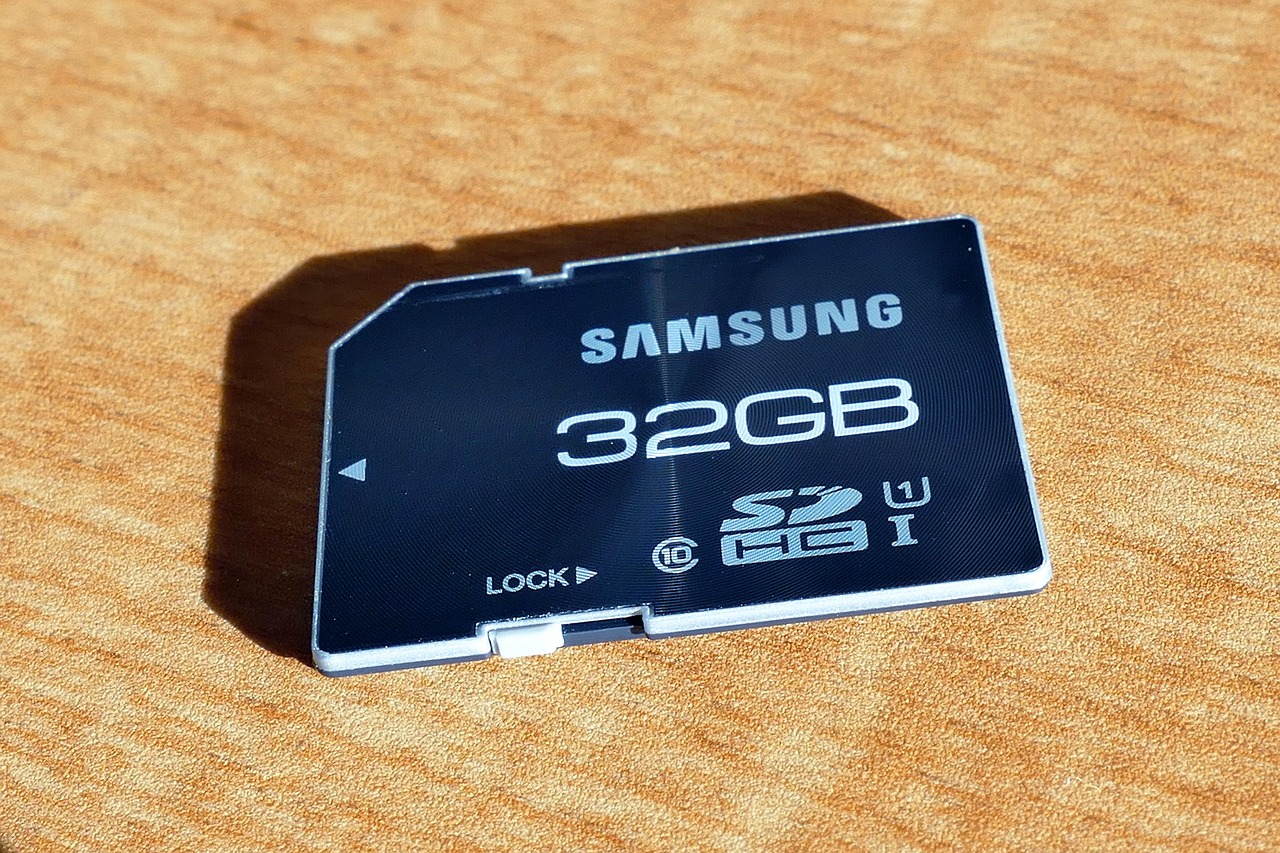
Device Compatibility Trends in 2026 and Beyond
Device compatibility trends show a gradual shift rather than an immediate replacement.
High-end smartphones and ultrabooks prioritize USB-C, while mixed-port strategies remain common in mid-range hardware.
Manufacturers often include both ports to:
- Ease the transition for users
- Maximize accessory compatibility
- Reduce support complaints
- Extend product lifecycle value
This hybrid approach reflects how innovation and legacy USB ports coexist during technological transitions.
Conclusion
The ongoing presence of USB-A in 2026 is not a technological failure but a strategic balance between innovation, cost, and compatibility.
The USB-A vs USB-C 2026 discussion highlights how device compatibility trends evolve gradually rather than overnight.
Before choosing your next device, evaluate your current accessories and real usage needs to make a smarter, future-proof investment.
claritypostblog@gmail.com
Comentarios
Publicar un comentario